
Enterprise Engineering
SMART City & Digital City
Reference Content ID: #LEAD-ES30027BCBPSADPI
Introduction to SMART City & Digital City
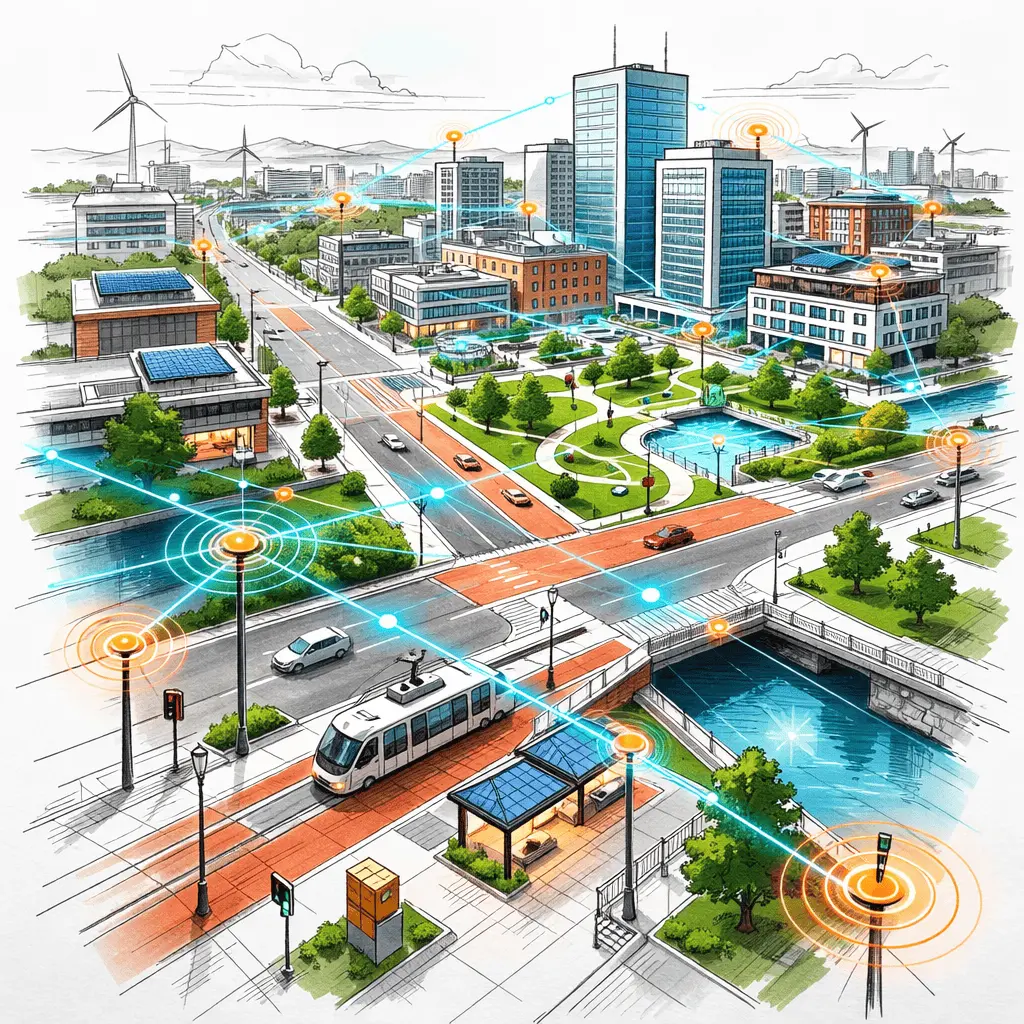
SMART City & Digital City initiatives are reshaping how urban and regional environments operate, blending technology, data, and human-centric design to deliver connected, efficient, and sustainable living. These concepts focus on mobility, governance, infrastructure, energy, and citizen engagement—enabled by digital platforms, real-time analytics, and IoT.
They apply across municipalities, enterprises, and public-private ecosystems, supporting both operational excellence and citizen-centric outcomes. From city planning to service delivery, they enhance productivity, streamline collaboration, support well-being, and digitize workflows—empowering co-located, hybrid, and remote teams alike.
By integrating digital and physical assets, SMART and Digital Cities drive transformation, resilience, and sustainable growth across diverse sectors and geographies.
Definition and Scope
SMART City & Digital City refers to the strategic integration of digital technologies with urban systems to improve efficiency, sustainability, and citizen quality of life. Grounded in data-driven decision-making, it enables real-time responsiveness and proactive service delivery.
Core domains include mobility, energy, infrastructure, public safety, and governance, all interconnected through platforms, sensors, and analytics. While it covers public services and urban planning, it excludes purely private enterprise IT systems or consumer tech unrelated to city-wide functions.
Its scope is multi-layered—spanning policy, operations, and citizen interaction—and operates across municipalities, public agencies, and private partners. It enables scalable, replicable innovation for urban challenges.
Why SMART City & Digital City Matters
SMART City & Digital City is vital to modern urban strategy, enabling cities to adapt to rapid technological change, rising citizen expectations, and environmental pressures. It serves as a catalyst for transformation, aligning digital innovation with sustainable urban growth and operational resilience.
It helps organizations overcome siloed systems, inefficiencies, and data fragmentation while unlocking real-time insights and adaptive service models. Key stakeholders benefit in specific ways:
- Executives: Use integrated dashboards to guide long-term investments and cross-sector initiatives.
- Managers: Automate workflows and monitor city services with actionable KPIs.
- End Users: Access responsive, data-driven services through mobile and web platforms.
Its value lies in driving sustainable, citizen-focused outcomes while supporting agile, scalable operations across the urban ecosystem.
Business Case and Strategic Justification
Investing in SMART City & Digital City initiatives supports long-term strategic goals such as sustainability, operational efficiency, and digital innovation. These programmes address growing urban demands, aging infrastructure, and the need for resilient, citizen-centric service models.
They align with digital transformation objectives by integrating data, automating processes, and enabling evidence-based decision-making. ROI stems from reduced operational costs, increased productivity, and enhanced service delivery, with metrics such as service uptime, energy savings, and user satisfaction benchmarks.
Typical benefits include:
- Operational Efficiency: Streamlined workflows and automated monitoring reduce time and resource waste.
- Data-Driven Decision-Making: Real-time insights enhance planning, prioritisation, and performance tracking.
- Citizen Engagement: Digital interfaces increase accessibility, transparency, and responsiveness.
- Sustainability Gains: Smart energy, mobility, and waste systems cut emissions and costs.
- Economic Development: New services and digital platforms attract investment and talent.
SMART City & Digital City offers tangible, measurable value aligned with modern organisational priorities.
DON’T REINVENT THE WHEEL!
Get access to our Enterprise Standards to Drive Performance, Minimise Cost and Maximise Value.
How is SMART City & Digital City Used?
SMART City & Digital City is applied through a structured framework that integrates strategic planning, operational execution, and continuous improvement. Its success depends on understanding key phases, avoiding common pitfalls, and adopting proven practices from leading examples.
- The Key Phases and Process Steps outline the structured lifecycle—from vision and design to deployment and refinement.
- Identifying Pitfalls and Challenges helps avoid frequent missteps that hinder value realization.
- Learning from Outperformers captures best and leading practices that deliver scalable impact.
Together, these perspectives provide a clear, practical roadmap for implementation and optimisation. They help organisations align goals, reduce risks, and accelerate the delivery of SMART City & Digital City outcomes.
Key Phases and Process Steps
The SMART City & Digital City journey follows a ten-phase framework that ensures structured planning, execution, and refinement. Each phase builds on the previous, enabling cities to develop resilient, integrated, and citizen-focused environments.
1. Vision Setting
Define strategic intent and long-term outcomes.
2. Stakeholder Alignment
Engage public, private, and community actors.
3. Needs Assessment
Analyse current state, challenges, and gaps.
4. Strategy Design
Create a roadmap linking goals to initiatives.
5. Architecture Planning
Define digital, data, and infrastructure blueprints.
6. Technology Selection
Evaluate and procure enabling solutions.
7. Prepare Technology Enablement
Configure systems, tagging tools, and integrations.
8. Implement & Integrate
Deploy models across platforms and workflows.
9. Performance Monitoring
Track KPIs and service delivery impact.
10. Continuous Optimisation
Refine based on feedback, insights, and outcomes.
This sequence ensures a comprehensive approach, balancing innovation with execution discipline.
Identifying Pitfalls and Challenges: Antipatterns and Worst Practices
SMART City & Digital City initiatives often face setbacks due to recurring missteps in strategy, design, or execution. Recognising common antipatterns and worst practices helps avoid wasted investment and stalled outcomes.
5 Antipattern Examples:
5 Worst Practice Examples:
Avoiding these patterns ensures SMART City efforts remain adaptive, citizen-focused, and sustainable.
Learning from Outperformers: Best Practices and Leading Practices
High-performing SMART City & Digital City initiatives demonstrate replicable best practices and innovative leading practices that drive impact at scale. Learning from these outperformers helps accelerate success and avoid missteps.
5 Best Practice Examples:
5 Leading Practice Examples:
These practices ensure initiatives remain agile, inclusive, and future-ready.
Who is Typically Involved with SMART City & Digital City?
SMART City & Digital City initiatives require coordinated effort across strategic, operational, and technical roles. Understanding who is involved helps ensure accountability, alignment, and smooth execution.
Typical roles include:
- Executive Sponsor: Sets direction, secures funding, and champions the vision.
- Programme Manager: Oversees planning, timelines, and interdependencies.
- Technology Lead: Designs and implements digital platforms and architecture.
- Operations Manager: Ensures integration with day-to-day city services.
- Citizen Engagement Lead: Coordinates outreach, feedback, and participation.
Stakeholders contribute in distinct ways:
- Executives: Drive strategy and funding decisions.
- Technical Teams: Implement infrastructure and data flows.
- End Users: Benefit from better mobility, access, and responsiveness.
Clear ownership and collaboration enable consistent progress, innovation, and measurable impact.
Where is SMART City & Digital City Applied?
SMART City & Digital City is applied across diverse domains to modernize urban functions and enhance service delivery. It supports integrated operations, data-driven planning, and citizen-centric outcomes across sectors.
Key domains include:
- Urban Planning: Uses geospatial and predictive tools for infrastructure design.
- Public Safety: Applies surveillance, sensors, and analytics to improve response.
- Transportation: Enables real-time traffic control and multimodal mobility.
- Energy Management: Optimises consumption through smart grids and monitoring.
- Environmental Services: Tracks waste, air, and water quality for sustainability.
Examples include:
- Mobility Teams: Using IoT data to reduce congestion hotspots.
- Operations Units: Digitising maintenance workflows to cut downtime.
SMART City & Digital City solutions are adaptable across functions and departments, ensuring tangible outcomes from planning to daily service operations.
When Should You Embrace SMART City & Digital City?
Adopting SMART City & Digital City at the right time maximises impact and reduces transformation risk. Recognising key triggers and ensuring foundational readiness are critical to success.
Key signals include:
- Rapid Urban Growth: Requires scalable, integrated systems.
- Aging Infrastructure: Demands digital upgrades for reliability.
- Public Demand for Transparency: Calls for open, data-driven services.
- Technology Lifecycle End: Presents opportunity for modernisation.
- Regulatory Pressures: Push adoption of green, compliant solutions.
Prerequisites for adopting SMART City & Digital City include:
- Executive Backing: Senior leadership support to drive strategic alignment and funding.
- Cross-Sector Alignment: Collaboration between public, private, and community stakeholders.
- Budget Availability: Sufficient financial resources for pilot, scale, and sustainment.
- Baseline Digital Maturity: Established data, IT, and governance capabilities to build upon.
- Clear Use Cases: Well-defined goals and measurable outcomes for targeted impact.
Organisations should assess internal readiness alongside external signals. When aligned, SMART City & Digital City initiatives can accelerate transformation and deliver sustained value.
Most Common SMART City & Digital City Artefacts
SMART City & Digital City initiatives rely on well-defined artefacts to guide planning, execution, and monitoring. These tools ensure consistency, transparency, and measurable progress across domains.
Common artefacts include:
- Digital City Blueprint: Outlines the strategic vision, domains, and enabling technologies.
- Stakeholder Map: Identifies roles, responsibilities, and influence across sectors.
- Data Governance Model: Defines data ownership, access rules, and quality standards.
- SMART KPI Dashboard: Tracks real-time metrics tied to performance and citizen outcomes.
- Implementation Roadmap: Details phased rollouts, dependencies, and resource planning.
These artefacts provide structure, promote alignment, and support agile execution. Together, they form the foundation for scalable, accountable SMART City & Digital City programmes.
The Artefacts Table
SMART City & Digital City initiatives depend on clear, actionable artefacts to support decision-making, coordination, and measurable progress. The table below presents five foundational tools, each essential to successful design and implementation.
| Artefact | Description | Practical Use |
|---|---|---|
| Digital City Blueprint | Defines strategic goals, domains, and enabling technologies. | Guides prioritisation of initiatives across city departments. |
| Stakeholder Map | Identifies key roles and relationships across sectors. | Ensures inclusive engagement during planning and rollout. |
| Data Governance Model | Sets rules for data access, sharing, and quality. | Supports secure data use in city analytics platforms. |
| SMART KPI Dashboard | Monitors metrics tied to strategic outcomes. | Provides live reporting to executives and project leads. |
| Implementation Roadmap | Outlines phased actions, timelines, and resources. | Coordinates cross-functional activities and rollout stages. |
These artefacts enable structured planning, operational transparency, and agile adaptation. Used consistently, they accelerate delivery and increase the reliability of SMART City & Digital City outcomes.