
Enterprise Engineering
Human Augmentation
Reference Content ID: #LEAD-ES30022ALL
Introduction to Human Augmentation
Human Augmentation refers to the strategic integration of technology with human capabilities to enhance performance, decision-making, and well-being across enterprise environments. It encompasses tools such as augmented reality, wearables, AI assistants, and neuro-enhancement technologies.
These solutions focus on cognitive support, physical enhancement, and sensory augmentation—enabling faster workflows, smarter collaboration, and safer work conditions. Human Augmentation extends its value across industries by personalising work experiences and optimising human–machine interactions.
Whether in manufacturing plants, corporate offices, or remote setups, Human Augmentation empowers employees with intelligent, real-time assistance. It enhances productivity, improves wellness, and bridges the digital divide for all work modes—on-site, hybrid, or remote.
Definition and Scope
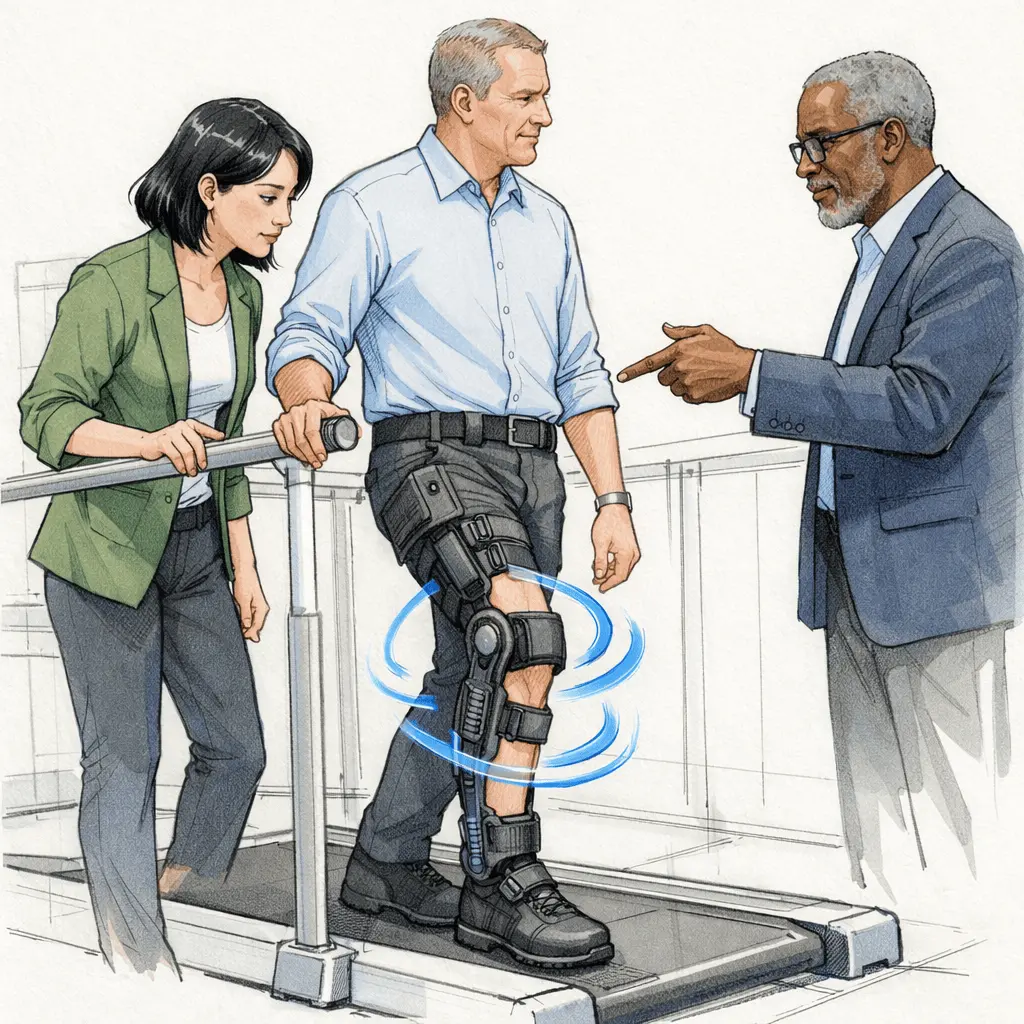
Human Augmentation is the application of technology to enhance human abilities—physically, cognitively, and emotionally—in workplace settings. It aims to extend natural capabilities through digital tools that adapt to evolving organisational needs.
Key domains include wearable tech, AI-driven decision support, augmented and virtual reality, and biometric systems. These components interact through data integration and context-aware interfaces, enabling real-time optimisation of tasks and user experiences. Human Augmentation does not include full automation or systems that replace humans outright.
Its scope is bounded by technologies that support human agency, not supplant it. The emphasis remains on empowerment, adaptability, and productivity in dynamic enterprise environments.
Why Human Augmentation Matters
Human Augmentation is increasingly vital as organisations seek to boost agility, productivity, and resilience in a rapidly evolving digital landscape. It addresses the need for smarter workflows, faster decisions, and more empowered employees.
By enhancing human capabilities, it supports strategic goals such as innovation, operational excellence, and workforce well-being. It helps organisations adapt to automation trends without displacing human roles, ensuring inclusivity and engagement.
Executives see value in data-driven leadership, managers in streamlined operations, and end users in intuitive support tools.
- Enhanced Decision Quality: Real-time analytics assist executives in making faster, evidence-based decisions that reduce risk and improve outcomes.
- Operational Efficiency: Wearables optimise worker safety and task speed on factory floors by providing hands-free instructions and biometric feedback.
- Faster Innovation: AR tools accelerate training and product development cycles, shortening time-to-market and enabling real-time prototyping.
Human Augmentation aligns people and technology, creating a foundation for sustainable growth and performance. Its benefits extend across all levels of the organisation.
Business Case and Strategic Justification
Organisations are adopting Human Augmentation to drive digital transformation, improve workforce capabilities, and stay competitive. It supports strategic goals such as productivity, innovation, employee retention, and operational resilience.
By aligning with enterprise-wide objectives—like customer-centricity, sustainability, and agility—Human Augmentation enables companies to address labour shortages, adapt to hybrid work, and reduce errors. Return on investment is measured through faster workflows, lower training costs, and higher output quality.
The most typical benefits of Human Augmentation include:
- Productivity Gains: Automation and decision support reduce task time and manual effort.
- Fewer Errors: Real-time insights minimise mistakes in complex or regulated tasks.
- Faster Onboarding: AR and smart assistants cut training time and increase retention.
- Enhanced Collaboration: Mixed-reality platforms improve teamwork across locations.
- Workplace Safety: Wearables and alerts proactively reduce physical risks.
Human Augmentation offers measurable, cross-functional value. As adoption expands, strategic impact and returns continue to grow.
DON’T REINVENT THE WHEEL!
Get access to our Enterprise Standards to Drive Performance, Minimise Cost and Maximise Value.
How is Human Augmentation Used?
Human Augmentation is most effective when approached through a structured framework that integrates process guidance, risk awareness, and performance benchmarks. This ensures that implementation is both scalable and sustainable across the organisation.
The framework rests on three core perspectives:
- The Key Phases and Process Steps define how Human Augmentation initiatives are scoped, designed, and rolled out.
- Identifying Pitfalls and Challenges highlights common missteps that undermine success.
- Learning from Outperformers showcases best practices to maximise impact and adoption.
Together, these perspectives provide a comprehensive view of how to apply Human Augmentation effectively. They help organisations avoid setbacks, accelerate value, and build lasting capabilities.
Key Phases and Process Steps
The successful implementation of Human Augmentation follows a clear, structured sequence of phases. These ten steps ensure alignment with strategic goals, effective deployment, and measurable impact across the organisation.
1. Needs Identification
Assess current workforce challenges and define augmentation opportunities.
2. Use Case Prioritisation
Select high-value, feasible scenarios for initial deployment.
3. Stakeholder Alignment
Engage leadership, IT, HR, and operational teams for buy-in.
4. Solution Design
Specify augmentation tools, data flows, and integration models.
5. Technology Selection
Choose vendors, platforms, or in-house technologies.
6. Pilot & Test
Validate solution effectiveness with controlled, measurable trials.
7. Training & Enablement
Equip users with knowledge and support to ensure adoption.
8. Full Deployment
Scale solutions across relevant teams or functions.
9. Performance Monitoring
Track outcomes using defined KPIs and user feedback.
10. Continuous Improvement
Refine and evolve solutions based on insights and innovations.
This phased approach builds momentum, mitigates risks, and supports scalable transformation. Each step prepares the groundwork for sustained success.
Identifying Pitfalls and Challenges: Antipatterns and Worst Practices
Despite its benefits, Human Augmentation can fail if implemented without clarity, purpose, or alignment. Recognising common antipatterns and worst practices helps organisations avoid delays, resistance, and wasted investment.
5 Antipattern Examples:
5 Worst Practice Examples:
Avoiding these mistakes increases adoption, performance, and trust in Human Augmentation initiatives. Proactive design, governance, and user engagement are key to success.
Learning from Outperformers: Best Practices and Leading Practices
Organisations that excel in Human Augmentation focus on strategic alignment, inclusive design, and continuous optimisation. Learning from their practices helps others accelerate success and avoid missteps.
5 Best Practice Examples:
5 Leading Practice Examples:
Applying these practices drives higher ROI, smoother adoption, and long-term strategic value from Human Augmentation.
Who is Typically Involved with Human Augmentation?
Successful Human Augmentation depends on the coordination of diverse roles across strategy, execution, and support. Clear role definition ensures effective planning, governance, and adoption throughout the organisation.
The five primary roles typically involved in Human Augmentation include:
- Executive Sponsor: Sets strategic direction and secures funding.
- Programme Lead: Oversees planning, execution, and stakeholder alignment.
- Operations Manager: Ensures integration with daily workflows and frontline needs.
- Technology Lead: Manages technical design, implementation, and system compatibility.
- Change Manager: Drives user adoption, training, and communication.
Stakeholder groups influence and benefit from Human Augmentation in distinct ways:
- Executives: Use augmentation data to guide strategic decisions and prioritise investments.
- Managers: Optimise team performance using real-time insights and task augmentation tools.
- Technical Teams: Benefit from automation in monitoring, diagnostics, and workflow support.
A coordinated team effort with defined responsibilities strengthens impact, scalability, and trust in Human Augmentation initiatives.
Where is Human Augmentation Applied?
Human Augmentation is applied across a wide range of organisational functions, enhancing decision-making, task execution, and employee support. It enables teams to work smarter and adapt faster to operational demands.
- Operations: Uses wearables and AR to boost safety, productivity, and hands-on guidance.
- Customer Service: Employs AI assistants to improve responsiveness and personalise support.
- Finance: Leverages cognitive tools to detect anomalies and support faster analysis.
- IT: Integrates automation and monitoring agents for system health and predictive alerts.
- HR & Training: Uses immersive tools for onboarding, compliance, and employee well-being.
Illustrative scenarios include:
- Field Engineers: Using AR headsets for remote expert collaboration during repairs.
- Contact Centres: Using AI to assist agents with real-time prompts and customer insights.
Human Augmentation supports diverse goals across business units. Its flexibility makes it applicable in both operational and strategic contexts.
When Should You Embrace Human Augmentation?
The success of Human Augmentation depends heavily on timing and organisational readiness. Identifying the right conditions helps ensure focused investment, adoption, and value realisation.
- Digital Transformation Initiatives: Aligns well with broader innovation programmes.
- Workforce Expansion or Turnover: Supports rapid onboarding and knowledge transfer.
- Operational Bottlenecks: Addresses inefficiencies and reduces task complexity.
- Technology Refresh Cycles: Integrates naturally during system upgrades.
- Regulatory Pressure or Compliance Needs: Enhances accuracy and auditability.
Key prerequisites include:
- Executive Sponsorship
- Stakeholder Alignment
- Available Budget & Resources
- Mature Data & Process Foundations
Human Augmentation delivers the most value when implemented at inflection points of change or growth. Organisations that assess readiness and act at the right moment maximise impact and scalability.
Most Common Human Augmentation Artefacts
Human Augmentation relies on targeted artefacts and tools that guide design, execution, and performance monitoring. These assets help ensure structured, measurable, and scalable application across functions.
- Use Case Catalogue: Documents and prioritises augmentation opportunities across roles and processes.
- Capability Map: Outlines required human and technological competencies for effective implementation.
- Technology Blueprint: Describes architecture, tools, data flows, and system integration points.
- Adoption & Training Plan: Defines onboarding, support, and engagement strategies for end users.
- Impact Dashboard: Tracks usage, performance, and business value through defined metrics.
These artefacts provide clarity, consistency, and accountability in Human Augmentation programmes. When used collectively, they align stakeholders and accelerate real-world outcomes.
The Artefacts Table
The following table highlights the key artefacts used to plan, implement, and manage Human Augmentation initiatives. Each plays a specific role in ensuring relevance, structure, and measurable outcomes in real-world settings.
| Artefact | Description | Practical use |
|---|---|---|
| Use Case Catalogue | Lists and prioritises augmentation opportunities by process or role. | Helps teams select and justify initial pilot areas during planning. |
| Capability Map | Outlines the required human and technical capabilities for augmentation. | Used to identify gaps in skills and systems before implementation. |
| Technology Blueprint | Describes architecture, data flows, and integration requirements. | Guides IT teams in selecting compatible tools and ensuring interoperability. |
| Adoption & Training Plan | Details onboarding, user training, and communication strategies. | Used by change managers to ensure smooth roll-out and sustained usage. |
| Impact Dashboard | Monitors KPIs and tracks performance outcomes. | Used by leadership to assess ROI and adjust strategy over time. |
These artefacts provide structure, clarity, and accountability throughout the Human Augmentation journey. When applied consistently, they help teams make informed decisions and scale with confidence.