
Enterprise Engineering
Enterprise Tiering
Reference Content ID: #LEAD-ES30009ALL
Introduction to Enterprise Tiering
Enterprise Tiering provides a structured approach to categorizing services, applications, and infrastructure based on business criticality, usage, and value contribution. It aligns enterprise resources with operational demands, enabling organisations to prioritise investments and manage complexity across digital, physical, and hybrid work environments.
Core elements include tier definitions, service levels, access models, and support boundaries. Enterprise Tiering supports productivity, collaboration, and well-being by tailoring experiences for on-site, hybrid, and remote teams while streamlining digital workflows.
By applying clear tiering principles, organisations reduce costs, simplify management, and increase agility in scaling services to meet evolving business needs.
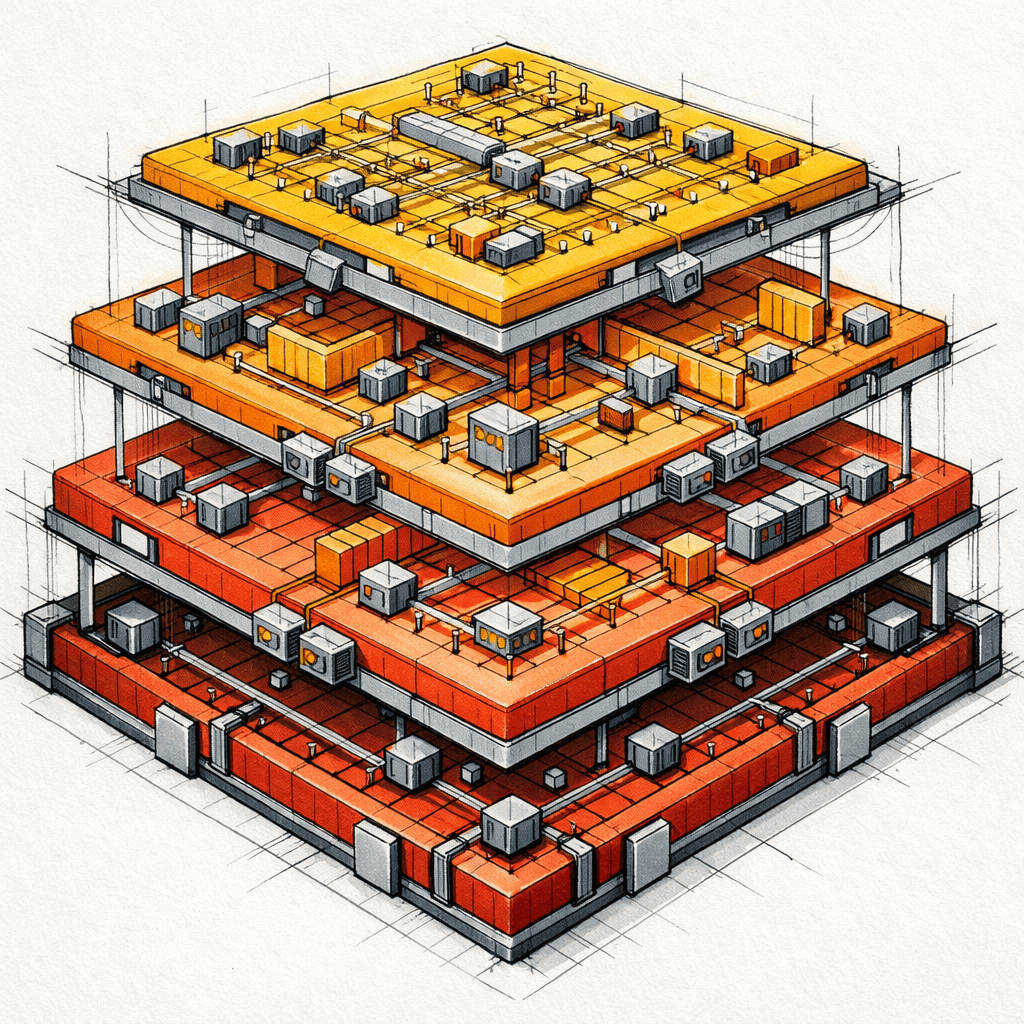
Definition and Scope
Enterprise Tiering is a framework for classifying enterprise resources—such as applications, data, infrastructure, and services—into prioritised tiers based on their criticality, usage, and strategic value. It establishes clear criteria for operational support, access, performance, and governance, ensuring optimal resource allocation across the enterprise.
Core components include tier definitions, service levels, support models, and user access boundaries. These elements interact to balance performance, cost, and risk within diverse organisational and technical environments. Enterprise Tiering does not cover detailed operational procedures or individual project prioritisation.
It serves as a strategic layer, guiding enterprise-wide resource management and scaling. This structured approach enhances service delivery, resilience, and alignment with business goals.
Why Enterprise Tiering Matters
Enterprise Tiering plays a vital role in aligning IT resources and services with business priorities. As organisations navigate digital transformation, cost pressures, and operational complexity, tiering enables smarter decision-making and targeted investments. It ensures the most critical systems receive the highest levels of support and performance.
Stakeholders benefit in distinct ways:
- Executives: Gain transparency to allocate funding based on business impact.
- Managers: Optimise service levels for efficiency and performance.
- End users: Experience consistent, fit-for-purpose support tailored to their roles.
Enterprise Tiering enhances agility, simplifies governance, and supports scalable service models. Its structured approach ensures enterprises remain responsive, resilient, and competitive.
Business Case and Strategic Justification
Enterprise Tiering supports strategic alignment by ensuring that enterprise resources are prioritised based on business value, risk, and user need. It addresses key challenges such as cost control, inconsistent service levels, and inefficient resource allocation—while enabling scalability and responsiveness to change. Return on investment stems from reduced operational overhead, improved performance of mission-critical services, and clearer accountability across tiers. Metrics include service uptime, cost-per-service, user satisfaction, and resource utilisation.
Typical benefits include:
- Cost Optimisation: Aligns resource spend with actual business impact.
- Performance Focus: Ensures critical systems receive priority support.
- Risk Mitigation: Reduces exposure by clarifying responsibilities and dependencies.
- Operational Efficiency: Streamlines processes with tier-aligned service models.
- Strategic Clarity: Enhances planning and decision-making with tiered visibility.
Enterprise Tiering offers measurable business value and supports enterprise agility. It provides a practical path to sustainable performance and strategic control.
DON’T REINVENT THE WHEEL!
Get access to our Enterprise Standards to Drive Performance, Minimise Cost and Maximise Value.
How is Enterprise Tiering Used?
Enterprise Tiering is applied through a structured framework that integrates practical execution with strategic oversight. Its implementation is guided by three core perspectives: defined process stages, awareness of common pitfalls, and insights from leading practices.
- The Key Phases & Process Steps outline how to design, deploy, and manage tiering models.
- Identifying Pitfalls & Challenges highlights frequent missteps and how to avoid them.
- Learning from Outperformers showcases proven approaches adopted by high-performing organisations.
Together, these perspectives ensure Enterprise Tiering is both actionable and sustainable. By combining structured execution, risk awareness, and leading insights, organisations can maximise value and operational coherence.
Key Phases and Process Steps
The Enterprise Tiering framework follows a structured, end-to-end process to ensure effective design, deployment, and governance. These ten phases guide organisations from initial assessment through to optimisation and continuous improvement.
1. Assessment of Needs
Identify business drivers, service demands, and risk exposure.
2. Inventory Mapping
Catalogue applications, systems, and services across the enterprise.
3. Tier Definition
Establish tiering criteria based on criticality, usage, and impact.
4. Classification Assignment
Categorise assets into defined tiers.
5. Service Level Design
Define support, performance, and availability expectations per tier.
6. Stakeholder Alignment
Validate classifications with business and IT owners.
7. Implementation Planning
Develop rollout plans and assign responsibilities.
8. Execution and Rollout
Deploy tiering model with supporting tools and communication.
9. Monitoring and Feedback
Track performance, exceptions, and service alignment.
10. Continuous Optimisation
Refine tiers and practices based on evolving needs.
This phased approach ensures consistent application and continuous value realisation.
Identifying Pitfalls and Challenges: Antipatterns and Worst Practices
Unsuccessful Enterprise Tiering efforts often result from recurring antipatterns and worst practices that hinder adoption, efficiency, and scalability. Recognising and avoiding these mistakes is essential for sustaining value and stakeholder trust.
5 Antipattern Examples:
5 Worst Practice Examples:
Avoiding these issues ensures tiering remains relevant, strategic, and sustainable.
Learning from Outperformers: Best Practices and Leading Practices
Successful organisations apply proven practices that enhance the design, implementation, and impact of Enterprise Tiering. These include both foundational best practices and advanced leading practices that drive maturity and innovation.
5 Best Practice Examples:
5 Leading Practice Examples:
These practices help embed Enterprise Tiering as a strategic enabler of enterprise performance.
Who is Typically Involved with Enterprise Tiering?
Understanding who participates in Enterprise Tiering is vital to ensure aligned ownership, seamless execution, and sustained governance. Successful implementation depends on clear collaboration across business, IT, and operational roles.
Key roles include:
- Executive Sponsor: Provides strategic direction and funding support.
- Enterprise Architect: Designs the tiering framework and integration points.
- IT Service Manager: Oversees classification and service level alignment.
- Business Unit Lead: Validates tier assignments from a functional perspective.
- Governance Owner: Ensures compliance, oversight, and continuous improvement.
Stakeholders influence outcomes in various ways:
- Executives use tiering insights for strategic prioritisation.
- Middle management aligns team efforts with tier expectations.
- Technical teams ensure tiered services meet performance and support needs.
Clear role definition fosters accountability, engagement, and long-term success.
Where is Enterprise Tiering Applied?
Enterprise Tiering is widely applied across core business functions to improve service prioritisation, operational performance, and resource alignment. Its structured approach brings clarity to complex environments and supports informed decision-making.
- IT Services: Categorises infrastructure and applications based on business criticality.
- Finance: Guides funding decisions aligned with service importance and risk.
- Operations: Enables continuity planning and tier-based workflow optimisation.
- Customer Service: Prioritises support tiers based on customer value and urgency.
- Human Resources: Supports workforce enablement by tiering employee services and tools.
Illustrative scenarios:
- Hybrid Workforce Enablement: A hybrid workforce project uses tiering to ensure essential collaboration tools have high availability: Collaboration platforms are placed in the highest tier to guarantee uptime, ensuring seamless communication and productivity across remote and on-site teams.
- Financial Risk Alignment: Finance applies tiering to align system funding with business risk and regulatory needs: Critical financial systems are assigned higher tiers with enhanced support and monitoring, ensuring compliance and continuity during audits or operational disruptions.
Enterprise Tiering supports scalable, transparent practices across diverse business contexts. Its versatility makes it a key enabler of strategic alignment and operational focus.
When Should You Embrace Enterprise Tiering?
Adopting Enterprise Tiering at the right time ensures its effectiveness and long-term value. Recognising key organisational signals and meeting critical prerequisites supports smooth implementation and stakeholder buy-in.
- Rapid Growth: Scaling operations require structured service prioritisation.
- Digital Transformation: New platforms demand tiered resource alignment.
- Cost Optimisation Initiatives: Tiering identifies areas for targeted savings.
- Service Disruption Trends: Repeated outages highlight the need for structured support.
- Technology Refresh Cycles: Hardware or software overhauls present ideal opportunities.
List of essential prerequisites:
- Stakeholder Alignment: Consensus across business, IT, and operations on goals and roles.
- Clarity of Business Objectives: Clear understanding of strategic priorities and service expectations.
- Resource Capacity: Availability of personnel, time, and budget to support implementation.
- Mature Service Management Practices: Established processes for service delivery, monitoring, and improvement.
- Executive Sponsorship: Strong leadership commitment to drive adoption and governance.
Enterprise Tiering succeeds when organisations act on these triggers with readiness and clear intent. Proper timing and preparation lay the foundation for consistent performance and strategic alignment.
Most Common Enterprise Tiering Artefacts
Enterprise Tiering relies on a set of core artefacts to ensure consistency, transparency, and accountability throughout its lifecycle. These tools provide structure and clarity across design, implementation, and governance activities.
- Tiering Criteria Matrix: Defines evaluation parameters for categorising services by impact, risk, and value.
- Service Inventory Catalogue: Lists and classifies all enterprise services and assets by assigned tier.
- Tiering Decision Log: Documents rationale for classification and changes over time.
- Service Level Agreement Map: Aligns performance expectations and support models with each tier.
- Governance and Review Calendar: Schedules periodic assessments, updates, and stakeholder validations.
These artefacts enable transparency, repeatability, and informed decision-making. Together, they form the foundation for disciplined, strategic tiering practices.
The Artefacts Table
The following table summarises the essential artefacts used in Enterprise Tiering. Each artefact supports the structured design, application, and maintenance of the tiering model in real-world settings.
| Artefact | Description | Practical use |
|---|---|---|
| Tiering Criteria Matrix | A framework that defines the rules for categorising services. | Used by teams to evaluate and assign tier levels based on impact and risk. |
| Service Inventory Catalogue | A structured list of all services and assets linked to their tier. | Maintained to monitor service coverage and ensure accurate classification. |
| Tiering Decision Log | A documented record of classification decisions and justifications. | Reviewed during audits and governance checkpoints to validate tiering logic. |
| Service Level Agreement Map | A mapping of SLAs to each tier to define support and performance. | Used to align service teams and stakeholders on delivery expectations. |
| Governance and Review Calendar | A schedule for reviewing and updating the tiering model. | Applied in governance meetings to track changes and ensure relevance. |
These artefacts reinforce consistency, accountability, and scalability in Enterprise Tiering practices. They help operational teams apply the framework effectively and adapt it to changing business needs.