
Enterprise Engineering
Enterprise Taxonomy
Reference Content ID: #LEAD-ES30011ALL
Introduction to Enterprise Taxonomy
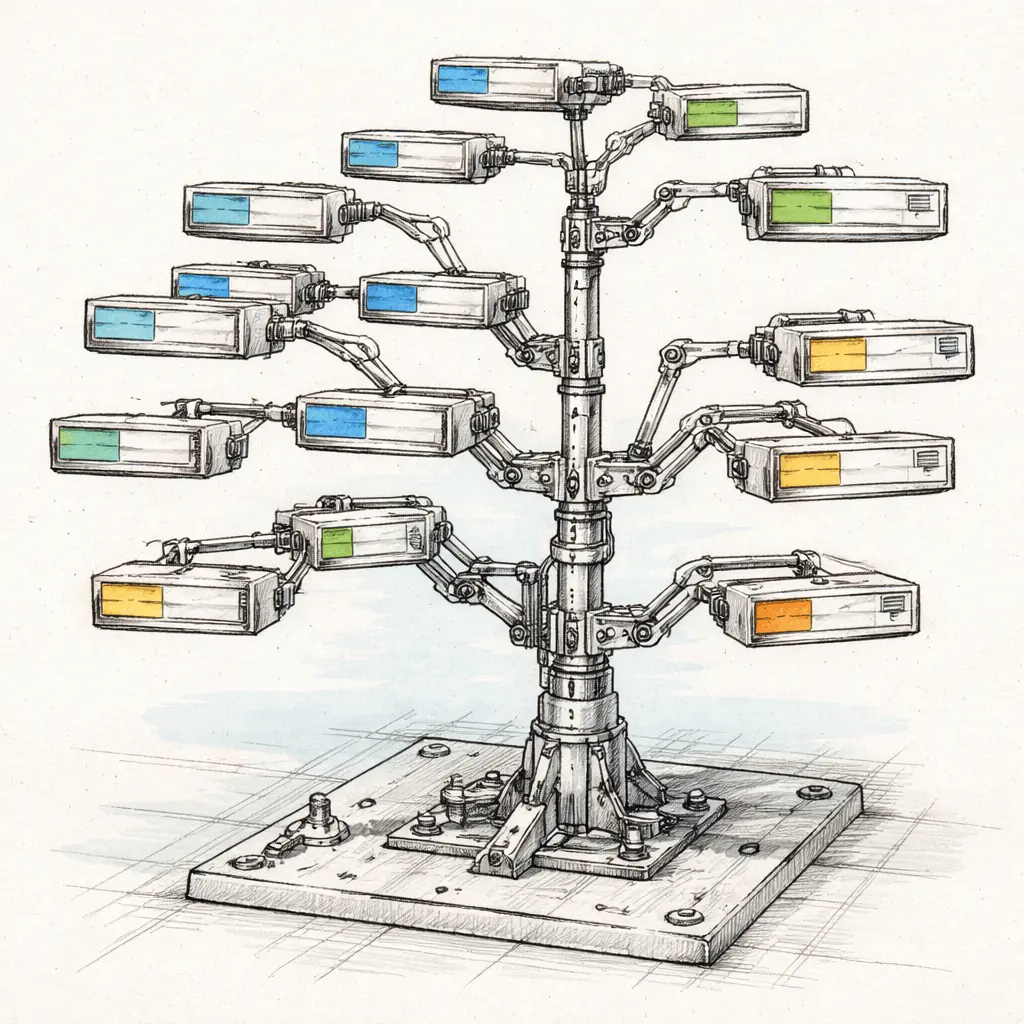
Enterprise Taxonomy provides a structured approach to classifying and organising information, processes, and knowledge assets. It defines a common language that aligns data, systems, and people, ensuring consistency and clarity across all business functions. By establishing clear domains and categories, it forms the foundation for effective governance and enterprise-wide alignment.
Its core elements include standardised classification models, metadata frameworks, and domain-specific taxonomies that help organisations manage complexity and improve accessibility. This structure reduces duplication, enhances transparency, and ensures that knowledge is available where and when it is needed.
Applied across industries, Enterprise Taxonomy improves productivity, fosters collaboration, and supports employee well-being by reducing friction in finding and sharing information. It also enables digital workflows and intelligent automation across on-site, hybrid, and remote environments.
Serving as a cornerstone for organisational efficiency and strategic alignment, Enterprise Taxonomy embeds structured classification throughout the enterprise. It delivers measurable benefits in productivity, collaboration, and digital enablement—making it an essential capability for organisations striving to remain agile, connected, and competitive.
Definition and Scope
Enterprise Taxonomy is the structured classification system that defines how information, processes, and assets are organised within an organisation. It establishes shared categories, hierarchies, and naming conventions that guide how data is captured, stored, and retrieved. At its core, it encompasses concepts such as metadata, controlled vocabularies, and hierarchical structures, ensuring consistency and alignment across the enterprise. Its scope extends to all areas where structured information is critical—spanning knowledge management, digital platforms, and operational systems—while excluding informal or ad hoc classification practices.
The primary domains of Enterprise Taxonomy include business processes, information assets, data governance structures, and user experience frameworks. These interact by linking organisational knowledge with technological platforms, ensuring that digital solutions remain intuitive, scalable, and effective. Enterprise Taxonomy integrates across diverse contexts, from compliance and reporting to digital workplace collaboration, creating coherence and reducing complexity.
Enterprise Taxonomy defines the foundation for information clarity and organisational alignment. By establishing structured domains and clear boundaries, it ensures consistency, scalability, and adaptability across contexts. It is a critical enabler for harmonising people, processes, and technology within the modern enterprise.
Why Enterprise Taxonomy Matters
Enterprise Taxonomy matters because it provides the structural backbone for how organisations manage knowledge, align operations, and drive digital transformation. By ensuring that information is consistently classified and accessible, it supports strategic goals such as efficiency, compliance, and innovation. In a fast-changing business landscape, a well-structured taxonomy allows enterprises to adapt quickly to new technologies, regulatory demands, and market shifts.
At the operational level, Enterprise Taxonomy addresses common challenges such as fragmented data, inconsistent terminology, and siloed communication. It streamlines collaboration by creating a shared language, reducing duplication, and improving decision-making. For executives, it ensures alignment between strategy and execution; for managers, it improves visibility into processes and performance; and for employees, it simplifies access to relevant information.
- Executives: Improve strategic decisions through accurate, harmonised insights across functions.
- Managers: Gain clarity in process ownership, reporting, and resource allocation.
- End users: Experience faster, simpler access to knowledge that enhances daily productivity.
Enterprise Taxonomy is a cornerstone of organisational resilience and agility. It strengthens collaboration, drives digital enablement, and ensures that knowledge becomes a strategic asset. Its value lies in enabling enterprises to operate with clarity, speed, and confidence.
Business Case and Strategic Justification
Building a business case for Enterprise Taxonomy requires a clear link between strategic objectives and measurable outcomes. Organisations increasingly face challenges such as information overload, regulatory complexity, and digital fragmentation.
Enterprise Taxonomy addresses these by creating structured, scalable frameworks that align with corporate goals of efficiency, compliance, and innovation. It enhances decision-making and operational agility, while ensuring that knowledge is treated as a strategic asset.
The return on investment is demonstrated through reduced costs of duplicated effort, accelerated digital transformation, and improved productivity across teams. By standardising classification and creating transparency, organisations see measurable gains in collaboration, reduced error rates, and faster time-to-market. Benchmarks often include efficiency improvements in knowledge retrieval, employee engagement, and cost savings from streamlined governance.
The most typical benefits of Enterprise Taxonomy include:
- Efficiency: Reduced duplication and streamlined access to information.
- Collaboration: Shared language enabling smoother cross-functional work.
- Compliance: Stronger governance and easier regulatory reporting.
- Innovation: Accelerated adoption of digital tools and data-driven insights.
- Scalability: Frameworks that grow with business complexity and expansion.
Enterprise Taxonomy is a strategic enabler that delivers tangible and long-term value. By aligning structure with organisational priorities, it unlocks efficiency, reduces risk, and creates opportunities for growth. It should be approached as both a business necessity and a competitive advantage.
DON’T REINVENT THE WHEEL!
Get access to our Enterprise Standards to Drive Performance, Minimise Cost and Maximise Value.
How is Enterprise Taxonomy Used?
Enterprise Taxonomy is applied through a structured framework that ensures consistency, adaptability, and measurable value across the organisation. Its use spans from the design of classification models to their integration into everyday workflows and digital platforms. By providing a common foundation, it enables enterprises to link strategy, processes, and technology seamlessly.
The framework for applying Enterprise Taxonomy can be viewed through three perspectives.
- Key Phases & Process Steps detail the lifecycle stages, offering a roadmap for structured implementation.
- Identifying Pitfalls & Challenges highlights common missteps and worst practices, enabling organisations to anticipate and mitigate risks.
- Learning from Outperformers captures best practices and leading approaches, ensuring practical insights for success.
Together, these perspectives provide a comprehensive approach to applying Enterprise Taxonomy. They help organisations avoid failure, adopt proven methods, and embed taxonomy as a driver of long-term effectiveness.
Key Phases and Process Steps
Implementing Enterprise Taxonomy follows a structured set of phases that ensure clarity, alignment, and measurable impact. Each step builds on the previous one, moving from strategic intent to operational use and continuous improvement. Together, these phases form a disciplined roadmap for embedding taxonomy across the organisation.
1. Assessment
Evaluate current information structures and identify pain points.
2. Strategy Alignment
2. Strategy Alignment: Define how taxonomy supports corporate objectives and digital goals.
3. Scope Definition
Set boundaries, domains, and priorities for taxonomy design.
4. Design Framework
Develop categories, hierarchies, and metadata models.
5. Validation
Test structures with stakeholders to ensure usability and relevance.
6. Integration
6. Integration: Embed taxonomy into systems, workflows, and digital platforms.
7. Governance Setup
Establish ownership, policies, and accountability mechanisms.
8. Training
Equip users and teams with skills to apply taxonomy effectively.
9. Adoption Monitoring
Track usage, compliance, and value realisation.
10. Continuous Improvement
Refine and evolve taxonomy as business needs change.
This ten-step process ensures that Enterprise Taxonomy is not only well-designed but also embedded, governed, and adapted over time. It provides a structured pathway for creating sustainable value and enterprise-wide alignment.
Identifying Pitfalls and Challenges: Antipatterns and Worst Practices
Enterprise Taxonomy, when poorly designed or mismanaged, can create confusion instead of clarity. Recognising common antipatterns and worst practices helps organisations avoid wasted effort, disengaged users, and failed adoption.
5 Antipattern Examples:
5 Worst Practice Examples:
Avoiding these pitfalls ensures Enterprise Taxonomy remains usable, scalable, and aligned with organisational needs. It safeguards long-term adoption and maximises business value.
Learning from Outperformers: Best Practices and Leading Practices
Successful organisations demonstrate that Enterprise Taxonomy delivers maximum value when guided by proven best practices and advanced leading practices. These approaches ensure both effective implementation and long-term strategic impact.
5 Best Practice Examples:
5 Leading Practice Examples:
Outperformers illustrate that sustainable taxonomy success combines foundational best practices with forward-looking, innovative approaches. This dual focus delivers consistency, scalability, and strategic advantage.
Who is Typically Involved with Enterprise Taxonomy?
Enterprise Taxonomy requires the active involvement of diverse stakeholders to ensure it is strategically aligned, technically sound, and practically adopted. Clear role definitions foster accountability, collaboration, and long-term success in managing enterprise-wide structures.
The primary roles typically involved include:
- Executive Sponsor: Provides strategic direction, secures funding, and ensures alignment with corporate goals.
- Project Lead: Manages planning, coordination, and delivery of the taxonomy initiative.
- Governance Manager: Oversees rules, policies, and accountability for ongoing taxonomy maintenance.
- Technical Architect: Designs and integrates taxonomy into platforms, systems, and digital workflows.
- Change Manager: Drives adoption, training, and communication across business units.
Stakeholders influence and benefit in different ways:
- Executives: Gain better insights for strategic decision-making and compliance oversight.
- Middle Management: Improve reporting, resource allocation, and operational visibility.
- Technical Teams & End Users: Experience simplified information access, reduced duplication, and improved collaboration.
Clear role mapping ensures Enterprise Taxonomy is not only well-designed but also actively supported, embedded, and evolved. It creates a shared responsibility model that sustains business value and organisational alignment.
Where is Enterprise Taxonomy Applied?
Enterprise Taxonomy is applied across multiple organisational functions, ensuring consistency in how knowledge, processes, and data are structured. Its versatility allows it to support strategic, operational, and customer-facing activities, making it a cornerstone of enterprise-wide alignment.
The primary domains of application include:
- Finance: Standardises reporting structures, regulatory categories, and financial data for accuracy.
- IT: Aligns system architectures, metadata, and integration frameworks across platforms.
- Operations: Streamlines process management, workflow optimisation, and performance monitoring.
- Customer Service: Improves knowledge bases, case management, and service quality.
- Human Resources: Structures employee data, skills taxonomies, and learning frameworks.
Illustrative scenarios include:
- A compliance team using taxonomy to simplify reporting obligations across global markets.
- A product development team applying taxonomy to organise knowledge sharing and accelerate innovation cycles.
Enterprise Taxonomy’s adaptability ensures it delivers value across diverse business functions. It creates coherence between strategy, processes, and technology, making it equally effective in operational efficiency, compliance, and customer experience.
When Should You Embrace Enterprise Taxonomy?
The success of Enterprise Taxonomy depends not only on how it is designed but also on when it is introduced. Choosing the right timing ensures that the effort is aligned with business priorities, adequately resourced, and positioned for long-term impact.
Key scenarios that signal readiness include:
- Organisational Growth: Scaling operations or entering new markets requires consistent structures.
- Digital Transformation: New platforms or system integrations demand a common taxonomy.
- Regulatory Change: Increased compliance obligations highlight the need for standardisation.
- Mergers & Acquisitions: Harmonising data and processes across entities requires taxonomy alignment.
- Information Overload: Rising complexity and duplicated data signal the need for structure.
Essential prerequisites include:
- Stakeholder alignment across business and IT.
- Dedicated resources and governance mechanisms.
- Maturity in process management and data practices.
- Clear business objectives and measurable outcomes.
- Organisational readiness for change adoption.
Recognising these signals and ensuring prerequisites are met allows organisations to embed Enterprise Taxonomy effectively. Well-timed adoption creates sustainable value and positions the organisation for efficiency, compliance, and innovation.
Most Common Enterprise Taxonomy Artefacts
Enterprise Taxonomy relies on practical artefacts and tools that bring structure to abstract concepts, making them usable and actionable across the organisation. These artefacts serve as reference points for design, governance, and daily operations, ensuring taxonomy delivers consistent value.
The most common artefacts and tools include:
- Taxonomy Framework Document: Outlines categories, hierarchies, and classification principles.
- Metadata Catalogue: Defines controlled vocabularies and attribute sets for data consistency.
- Governance Model: Specifies ownership, roles, and policies for taxonomy management.
- Integration Map: Illustrates how taxonomy links across systems, platforms, and processes.
- Training & Adoption Guide: Provides practical instructions to embed taxonomy in everyday workflows.
These artefacts make Enterprise Taxonomy tangible and manageable, supporting alignment between strategy, technology, and people. By using them consistently, organisations can ensure taxonomy remains relevant, scalable, and embedded in business practice.
The Artefacts Table
Enterprise Taxonomy becomes actionable when supported by a set of core artefacts that provide structure, governance, and practical application. The following table highlights five of the most common artefacts, each with its purpose and real-world usage. Together, they serve as the building blocks for consistent, scalable, and effective taxonomy implementation.
| Artefact | Description | Practical use |
|---|---|---|
| Taxonomy Framework | Defines categories, hierarchies, and classification principles. | Used to design a consistent enterprise-wide structure for processes and data. |
| Metadata Catalogue | Lists controlled vocabularies and key attribute sets for consistency. | Applied to ensure standardised terminology across documents and systems. |
| Governance Model | Outlines ownership, policies, and responsibilities for taxonomy management. | Ensures accountability and ongoing stewardship of taxonomy updates. |
| Integration Map | Illustrates taxonomy links across systems, platforms, and processes. | Helps IT and business teams align digital workflows and reporting structures. |
| Training Guide | Provides instructions and examples for applying taxonomy in practice. | Supports adoption by equipping employees with the knowledge to use taxonomy effectively. |
These artefacts form the operational toolkit of Enterprise Taxonomy, ensuring clarity and alignment across the organisation. By embedding them in projects and daily activities, organisations create a sustainable framework that supports both strategic objectives and practical business outcomes.