
Enterprise Engineering
Enterprise Meta Model
Reference Content ID: #LEAD-ES30015ALL
Introduction to Enterprise Meta Model
The Enterprise Meta Model provides a foundational structure for aligning enterprise functions, processes, and systems within a unified framework. It defines the interrelationships between key domains such as strategy, operations, data, technology, and governance, ensuring coherence and consistency across the organisation.
By structuring enterprise-wide elements into clear models, it enables productivity gains, seamless collaboration, and adaptive digital workflows across on-site, hybrid, and remote teams. It supports organisational well-being by clarifying roles, reducing duplication, and streamlining decision-making.
Applicable across industries and maturity levels, the Enterprise Meta Model scales to support complex transformations, digital initiatives, and operational excellence. It serves as a blueprint for enterprise-wide integration, helping organisations navigate complexity with clarity and purpose.
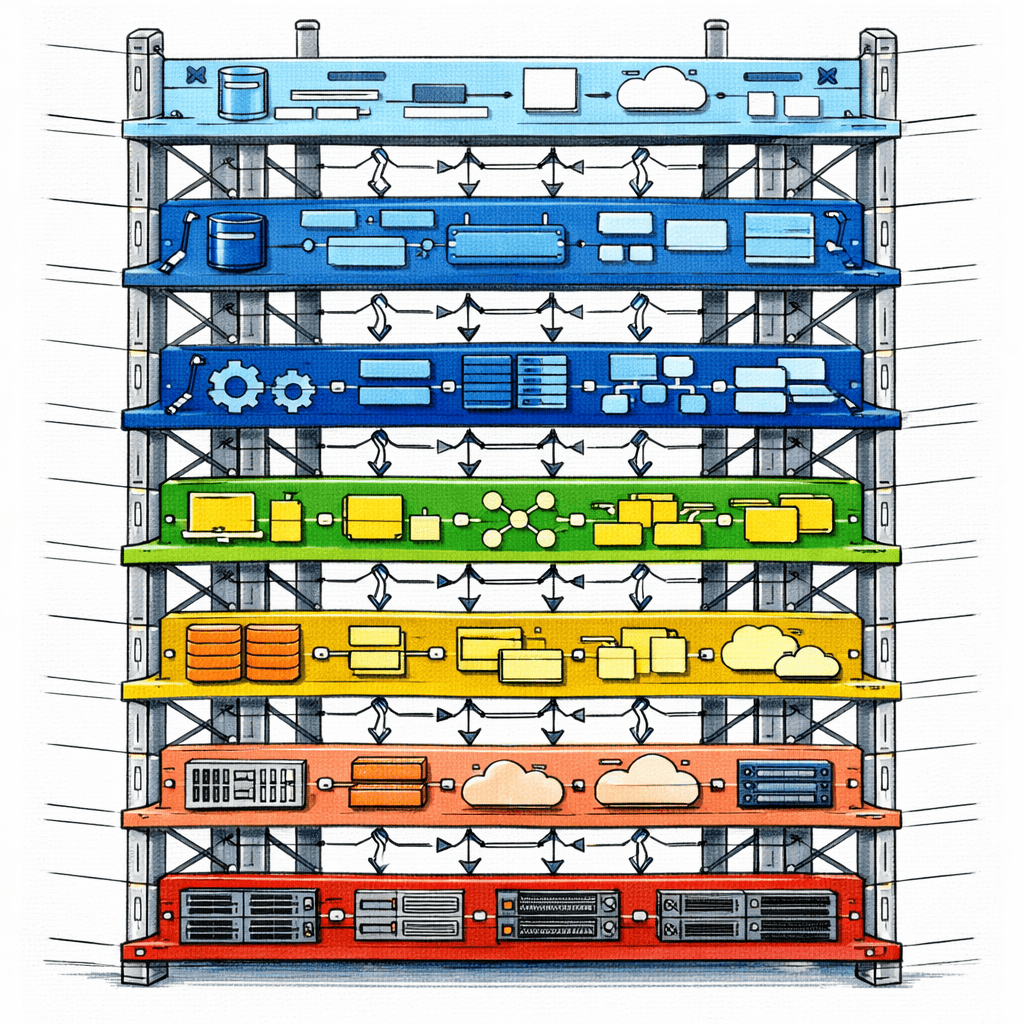
Definition and Scope
The Enterprise Meta Model establishes a structured representation of the enterprise by defining core elements and their interconnections. It provides a shared language for modelling strategy, capabilities, processes, data, technology, and governance across the organisation.
Its scope includes the foundational components that enable end-to-end enterprise alignment—strategy-to-execution pathways, architecture layers, and lifecycle integration. It does not address tool-specific configurations or narrow operational procedures.
This model is designed to adapt across industries, ensuring relevance in both traditional and digital-first environments. It promotes consistency, traceability, and scalability across initiatives, functions, and platforms.
Why Enterprise Meta Model Matters
Meta Model matters because it provides the structural clarity needed to align strategy, The Enterprise execution, and operations in a unified, responsive way. In fast-changing market and technology environments, it supports agility, transparency, and consistency across organisational layers. It helps overcome fragmentation, inefficiencies, and misalignment by integrating strategic goals with operational reality. Executives gain insight into transformation impact, managers coordinate across functions, and teams execute with shared understanding.
- Strategic Steering: Enables leaders to map capabilities to strategic priorities.
- Operational Efficiency: Streamlines workflows by clarifying roles and dependencies.
- Innovation Enablement: Supports cross-functional ideation through common models.
By fostering enterprise-wide cohesion, the model reduces complexity and accelerates transformation. It is a critical enabler for scalable, sustainable enterprise growth.
Business Case and Strategic Justification
Investing in the Enterprise Meta Model delivers strategic value by enabling integrated planning, execution, and governance across the organisation. It aligns with corporate objectives such as digital transformation, cost reduction, innovation, and resilience. The model addresses fragmentation, complexity, and inefficiency by offering a structured, enterprise-wide view. ROI is driven by reduced rework, faster decision-making, improved collaboration, and scalable transformation. Efficiency gains and performance benchmarks help quantify impact.
Typical benefits include:
- Strategic Alignment: Links initiatives and capabilities to corporate goals.
- Cost Optimisation: Reduces redundancy and operational waste.
- Informed Decisions: Supports data-driven, model-based analysis.
- Faster Execution: Enables coordinated, cross-functional delivery.
- Scalability: Supports enterprise growth and transformation readiness.
The Enterprise Meta Model is a key enabler of enterprise agility and integration. It provides the structure needed for long-term impact and measurable returns.
DON’T REINVENT THE WHEEL!
Get access to our Enterprise Standards to Drive Performance, Minimise Cost and Maximise Value.
How is Enterprise Meta Model Used?
The Enterprise Meta Model is applied through a structured framework that integrates process stages, known challenges, and leading practices. This combination ensures the model is not only well-designed but also pragmatically executed.
- Implementation begins with Key Phases and Process Steps, offering a clear path from planning to adoption.
- Identifying Pitfalls and Challenges highlights common missteps to avoid, ensuring smoother progress.
- Learning from Outperformers showcases proven methods and success stories to emulate.
Together, these perspectives enable organisations to apply the model with clarity, foresight, and impact. They provide the guidance needed to turn strategic intent into operational success.
Key Phases and Process Steps
The Enterprise Meta Model is implemented through ten sequential phases that guide its development, validation, and practical use. These steps ensure a structured, consistent approach that aligns with enterprise needs and goals.
1. Initiate Modelling Effort
Define scope, objectives, and stakeholder involvement.
2. Establish Governance Structure
Set ownership, roles, and model stewardship.
3. Capture Strategic Inputs
Gather vision, goals, and transformation priorities.
4. Identify Core Elements
Define capabilities, processes, data, and systems.
5. Model Interdependencies
Map relationships across business and IT layers.
6. Validate with Stakeholders
Review assumptions, gaps, and completeness.
7. Integrate into Tooling
Deploy models into architecture or planning tools.
8. Apply in Use Cases
Support decision-making, change, or transformation.
9. Maintain & Evolve Models
Keep content current with organisational shifts.
10. Measure Value and Outcomes
Track usage, impact, and adoption metrics.
This structured approach ensures the model is actionable, relevant, and adaptable. It supports consistent value delivery across initiatives and maturity levels.
Identifying Pitfalls and Challenges: Antipatterns and Worst Practices
When using the Enterprise Meta Model, organisations often encounter recurring mistakes that reduce effectiveness. Recognising these pitfalls—both structural antipatterns and poor implementation practices—is key to avoiding wasted effort and ensuring value creation.
5 Antipattern Examples:
5 Worst Practice Examples:
Avoiding these issues improves relevance, usability, and impact of the Enterprise Meta Model. A balanced, inclusive, and purpose-driven approach leads to sustainable success.
Learning from Outperformers: Best Practices and Leading Practices
Outperforming organisations apply the Enterprise Meta Model with discipline, adaptability, and strategic intent. Their success is driven by proven best practices and forward-looking leading practices that others can replicate or aspire to.
5 Best Practice Examples:
5 Leading Practice Examples:
These practices elevate the model from documentation to transformation enabler. High performers use it as a living asset that drives enterprise agility and alignment.
Who is Typically Involved with Enterprise Meta Model?
Successful implementation of the Enterprise Meta Model depends on clear ownership and collaboration across roles. Each participant contributes unique expertise, ensuring alignment, adoption, and sustained value.
Key Roles:
- Executive Sponsor: Provides strategic direction and secures funding.
- Enterprise Architect: Designs and maintains the model’s structure and integrity.
- Business Lead: Aligns model content with business priorities and capabilities.
- Project Manager: Coordinates activities, timelines, and stakeholder engagement.
- Tool Administrator: Supports model integration into platforms and toolsets.
Stakeholder benefits and influence include:
- Executives: Use model insights for prioritisation and investment decisions.
- Middle Management: Apply models to coordinate cross-functional planning.
- Technical Teams: Rely on shared structures to align solution design.
Defined roles and collaboration are essential for adoption, sustainability, and measurable outcomes. Clear accountability ensures the model remains relevant and actionable.
Where is Enterprise Meta Model Applied?
The Enterprise Meta Model is used across various organisational domains to support integration, transparency, and strategic alignment. Its adaptability allows teams to address complex challenges and drive coordinated outcomes.
Key Domains:
- Strategy and Planning: Aligns business goals with transformation initiatives.
- Finance: Connects financial structures with enterprise capabilities and value streams.
- IT & Architecture: Guides system design through standardised models.
- Operations: Enhances process efficiency and cross-functional workflows.
- HR & Workforce Planning: Aligns roles and competencies with organisational needs.
Use-case scenarios include:
- Digital Transformation Program: Teams model capabilities to guide investment and execution.
- Process Optimisation Initiative: Operations uses the model to streamline cross-department workflows.
The model adapts to diverse use cases, making it a versatile tool for enterprise-wide planning and execution. Its structured approach supports consistency across evolving priorities.
When Should You Embrace Enterprise Meta Model?
Adopting the Enterprise Meta Model at the right time maximises its impact and ensures organisational readiness. Key signals and prerequisites help determine when the foundation is in place for effective use.
Optimal Timing Scenarios:
- Digital Transformation: Ensures alignment across business and IT.
- Mergers or Acquisitions: Supports integration of systems and processes.
- Operating Model Redesign: Structures change across functions.
- Technology Modernisation: Guides architecture and platform decisions.
- Strategic Repositioning: Aligns capabilities with new business goals.
Prerequisites for Adopting the Enterprise Meta Model:
- Stakeholder Alignment: Key business and IT stakeholders share a common understanding of objectives and scope.
- Leadership Sponsorship: Senior leaders actively support the initiative and provide strategic direction.
- Dedicated Resources: Sufficient time, tools, and skilled personnel are allocated to support development and implementation.
- Process Maturity: Existing enterprise processes are stable and well-documented, providing a foundation for modelling.
- Change Readiness: The organisation demonstrates openness to structured transformation and model-driven practices.
These signals indicate when adoption will be most effective. With the right conditions in place, the Enterprise Meta Model enables structured, strategic enterprise change.
Most Common Enterprise Meta Model Artefacts
Artefacts are essential to operationalising the Enterprise Meta Model, serving as structured outputs that guide analysis, decision-making, and communication. They enable consistency, traceability, and reuse across enterprise activities.
- Enterprise Capability Map: Visualises core capabilities aligned to business goals.
- Process-Data Relationship Matrix: Links processes to data entities for integration clarity.
- Architecture Blueprint: Shows layers of business, application, and technology components.
- Meta Model Glossary: Defines key terms, entities, and relationships for shared understanding.
- Governance Framework: Outlines roles, responsibilities, and rules for managing the model.
These artefacts standardise the application of the model and ensure it remains actionable. When used together, they drive coherence, transparency, and adoption across the enterprise.
The Artefacts Table
The following table outlines the most common artefacts used in the Enterprise Meta Model. Each plays a key role in enabling structured analysis, alignment, and execution across business and IT domains.
| Artefact | Description | Practical Use |
|---|---|---|
| Enterprise Capability Map | Visualises organisational capabilities aligned to strategic goals. | Used in planning and prioritising transformation initiatives. |
| Process-Data Relationship Matrix | Maps how business processes interact with data entities. | Used to identify integration needs and streamline workflows. |
| Architecture Blueprint | Depicts business, application, and technology layers. | Used to align IT architecture with enterprise goals. |
| Meta Model Glossary | Defines core terms and relationships within the model. | Used to ensure consistency across teams and artefacts. |
| Governance Framework | Outlines model ownership, maintenance, and decision rights. | Used to manage model updates and ensure accountability. |
These artefacts serve as critical building blocks for making the Enterprise Meta Model practical and repeatable. They support collaboration, clarity, and traceability throughout the modelling lifecycle.