
Enterprise Engineering
Categorisation & Classification
Reference Content ID: #LEAD-ES30008ES
Introduction to Categorisation & Classification
Categorisation & Classification provides the structural foundation for organising information, assets, and activities within an enterprise. It defines how data, processes, services, and responsibilities are grouped, labelled, and made accessible across systems and teams.
Focusing on clarity, standardisation, and relevance, Categorisation & Classification enables seamless navigation, smarter decision-making, and efficient automation. It encompasses taxonomies, metadata structures, tags, naming conventions, and value groupings.
Applicable across all industries and functions, it supports digital workflows, enhances knowledge sharing, and fosters employee well-being—whether on-site, hybrid, or remote. It drives enterprise-wide productivity and cross-functional collaboration.
Effective Categorisation & Classification brings clarity to complexity, enabling agility and scale. It is an essential enabler of modern digital operations and organisational effectiveness.
Definition and Scope
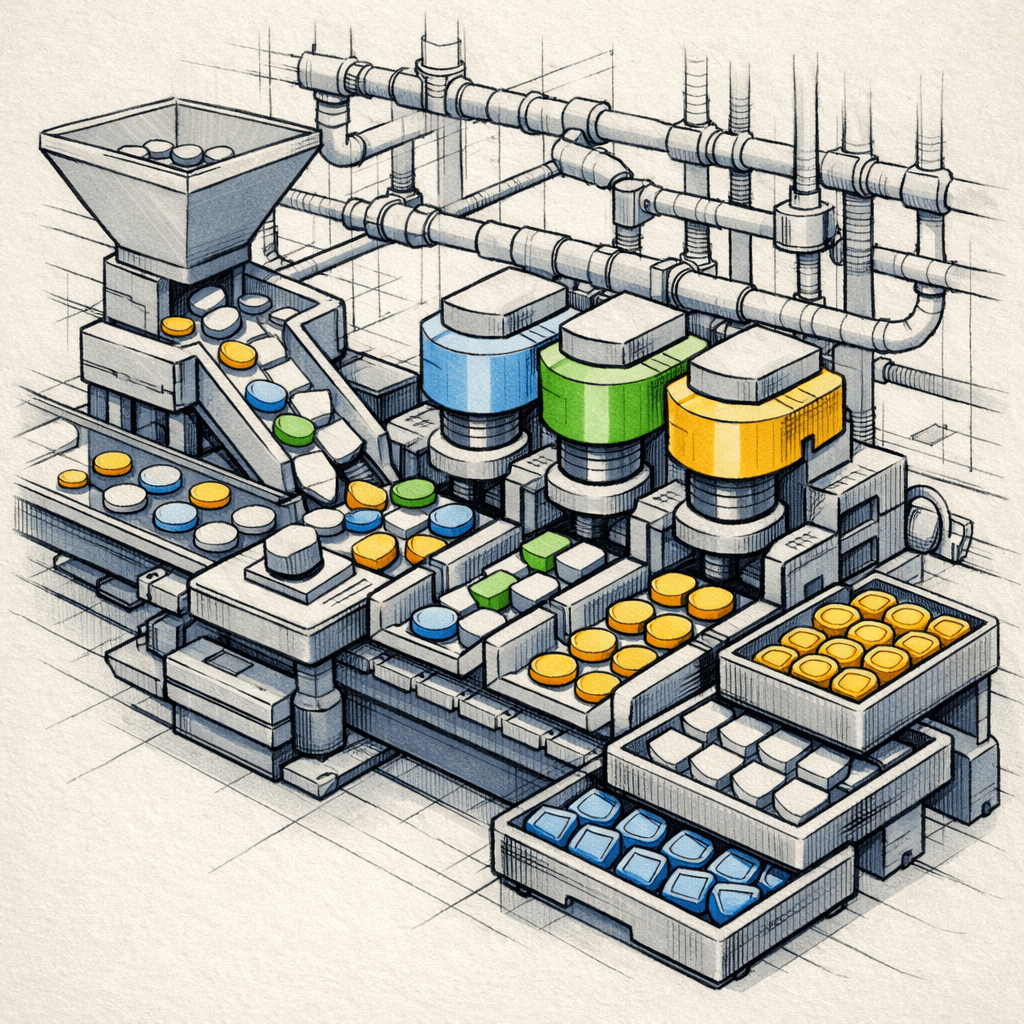
Categorisation & Classification refers to the structured method of grouping and organising information, assets, and activities to enhance accessibility, consistency, and operational efficiency. It provides a framework for defining relationships, segmenting content, and enabling automated and informed actions across systems.
Core components include taxonomies, metadata schemas, controlled vocabularies, and tagging structures. These elements interact with enterprise platforms, business processes, and user interfaces to support digital workflows, governance, and compliance. It does not extend to detailed process modelling or technical configuration.
Within defined boundaries, Categorisation & Classification ensures clarity, interoperability, and alignment across business functions. It serves as the backbone for effective information architecture and enterprise coordination.
Why Categorisation & Classification Matters
Categorisation & Classification is a strategic enabler that aligns information structures with business objectives, allowing organisations to operate with greater clarity and agility. As digital transformation accelerates, the ability to categorise and classify effectively becomes essential for navigating complexity and scaling operations.
It addresses fragmentation, reduces duplication, and supports data-driven decision-making. Executives gain oversight, managers streamline processes, and end users find what they need quickly. It adapts to evolving business models, technologies, and regulatory demands.
- Faster Decision-Making: Executives access consistent reporting categories.
- Operational Efficiency: Managers reduce redundancy through unified asset categorisation.
- User Empowerment: Staff retrieve relevant information more easily via standardised tags.
Categorisation & Classification underpins enterprise productivity and digital maturity. It is foundational to innovation, integration, and continuous improvement.
Business Case and Strategic Justification
A strong business case for Categorisation & Classification lies in its ability to bring structure, reduce complexity, and optimise enterprise performance. It aligns with strategic goals such as operational efficiency, regulatory compliance, digital transformation, and customer responsiveness.
By streamlining access to relevant data, organisations reduce overhead, accelerate workflows, and enable faster decision-making. The return on investment includes cost savings from reduced duplication, time saved on search and rework, and improved service delivery metrics.
Typical benefits include:
- Process Efficiency: Reduces manual sorting, duplication, and administrative overhead.
- Better Decisions: Enables faster and more consistent data interpretation.
- Compliance Assurance: Supports structured records management and auditability.
- Improved User Experience: Enhances searchability and navigation.
- Scalable Operations: Facilitates automation and platform integration.
Organisations investing in Categorisation & Classification position themselves for long-term agility and growth. It is a foundational capability for operational excellence.
DON’T REINVENT THE WHEEL!
Get access to our Enterprise Standards to Drive Performance, Minimise Cost and Maximise Value.
How is Categorisation & Classification Used?
Categorisation & Classification is best implemented through a structured framework that balances planning, risk mitigation, and adoption of proven practices. This framework combines three perspectives to ensure a comprehensive approach across the organisation.
- The Key Phases and Process Steps define the sequence of activities needed to design, implement, and maintain effective classification.
- Identifying Pitfalls and Challenges highlights common missteps and inefficiencies to avoid.
- Learning from Outperformers shares best and leading practices from organisations that excel in this area.
Together, these perspectives offer clarity, reduce implementation risk, and promote value realisation. They provide the foundation for applying Categorisation & Classification with consistency and impact.
Key Phases and Process Steps
A structured ten-step approach ensures effective design and deployment of Categorisation & Classification across enterprise environments. These phases provide clarity, control, and alignment from initial planning to operational usage.
1. Initiate Framework Scope
1. Initiate Framework Scope: Define objectives, stakeholders, and strategic fit.
2. Assess Current Structures
Review existing taxonomies, schemas, and content groupings.
3. Define Classification Criteria
Establish rules, categories, and decision logic.
4. Develop Taxonomy and Metadata Models
Create structured models for use across systems.
5. Validate with Stakeholders
Test relevance and usability through feedback loops.
6. Design Governance Structures
Set rules for ownership, updates, and exceptions.
7. Prepare Technology Enablement
Configure systems, tagging tools, and integrations.
8. Implement & Integrate
Deploy models across platforms and workflows.
9. Train & Onboard Users
Guide adoption through structured communication.
10. Monitor and Evolve
Review usage data, refine categories, and scale practices.
This end-to-end sequence supports long-term consistency and adaptability across business functions.
Identifying Pitfalls and Challenges: Antipatterns and Worst Practices
Poorly executed Categorisation & Classification often leads to confusion, inefficiency, and missed opportunities. Recognising typical antipatterns and worst practices helps organisations avoid structural failure and rework.
5 Antipattern Examples:
5 Worst Practice Examples:
Avoiding these issues enables sustainable and user-aligned classification frameworks.
Learning from Outperformers: Best Practices and Leading Practices
High-performing organisations apply proven methods to make Categorisation & Classification effective, scalable, and user-friendly. Drawing from these outperformers, we distinguish between best practices that ensure consistency and leading practices that drive innovation.
5 Best Practice Examples:
5 Leading Practice Examples:
These practices improve adoption, relevance, and strategic alignment at scale.
Who is Typically Involved with Categorisation & Classification?
Successful Categorisation & Classification depends on clearly defined roles and coordinated stakeholder engagement. Each participant contributes to strategy, design, implementation, or usage.
Key roles include:
- Executive Sponsor: Champions strategic alignment and secures funding.
- Classification Lead: Designs the structure and coordinates implementation.
- Operations Manager: Ensures integration into daily processes.
- IT Architect: Aligns classification with systems and data models.
- Governance Owner: Maintains rules, updates, and compliance.
Stakeholder examples:
- Executives: Gain visibility and data-driven oversight.
- Managers: Use consistent structures to coordinate teams.
- End Users: Access content faster through intuitive navigation.
Defining these roles ensures accountability, collaboration, and long-term ownership. Engaging the right participants drives sustained classification effectiveness.
Where is Categorisation & Classification Applied?
Categorisation & Classification is used across diverse organisational areas to bring structure, clarity, and consistency. It supports strategic initiatives, daily operations, and digital workflows.
Common application areas include:
- IT & Data Management: Organises systems, services, and data assets.
- Finance: Classifies accounts, expenses, and reporting structures.
- HR & Workforce Planning: Structures job roles, skills, and training content.
- Operations: Standardises asset types, processes, and inventory.
- Customer Service: Categorises cases, requests, and resolution paths.
Illustrative scenarios:
- Project Teams: Use standardised tags to track resources, status, and deliverables across multiple workstreams.
- Compliance Units: Classify documents, records, and correspondence to meet regulatory reporting and audit requirements.
Its flexibility allows it to adapt across industries, departments, and use cases. Categorisation & Classification is a foundational tool for enterprise-wide coordination.
When Should You Embrace Categorisation & Classification?
The success of Categorisation & Classification depends heavily on timing and organisational readiness. Certain triggers and conditions indicate when its adoption will deliver the greatest value.
- Rapid Growth: Scaling teams or services requires structured information to maintain control.
- Technology Transformation: System upgrades or migrations demand consistent categorisation.
- Compliance Demands: New regulations call for traceable and standardised data structures.
- Process Optimisation: Efficiency initiatives need clear classification to eliminate waste.
- Knowledge Management Initiatives: Require structured access to shared content.
Prerequisites:
- Stakeholder Buy-In: Key leaders and users must support the initiative to ensure engagement and adoption.
- Dedicated Resources: Sufficient time, skills, and funding must be allocated to develop and implement the framework.
- Foundational Process Maturity: Core business processes should be stable enough to support consistent classification structures.
Recognising these signals allows organisations to introduce Categorisation & Classification with clarity and purpose. With the right foundations, it becomes a scalable asset for long-term performance.
Most Common Categorisation & Classification Artefacts
Effective Categorisation & Classification relies on practical artefacts that provide structure, guidance, and consistency across systems and teams. These tools help standardise how information is organised, accessed, and maintained.
- Classification Scheme: A structured list of categories used to label and group content consistently.
- Taxonomy Model: A hierarchical framework that defines relationships between categories and subcategories.
- Metadata Schema: Specifies data fields and values used to describe and retrieve items.
- Tagging Guidelines: Instructions to ensure consistent application of labels across platforms.
- Governance Framework: Defines roles, responsibilities, and rules for maintaining classification integrity.
These artefacts enable scalable, repeatable classification practices. Together, they support accuracy, compliance, and user adoption across enterprise environments.
The Artefacts Table
Categorisation & Classification relies on well-defined artefacts that support structure, consistency, and usability across the organisation. The table below outlines the most common artefacts, their core purpose, and how they are applied in practical settings.
| Artefact | Description | Practical Use |
|---|---|---|
| Classification Scheme | Defines a standard set of categories used to group content. | Applied across departments to label documents and data consistently. |
| Taxonomy Model | Outlines hierarchical relationships between categories and subcategories. | Used in intranets and knowledge bases to structure navigation. |
| Metadata Schema | Specifies the fields and values used to describe and retrieve information. | Embedded in forms and databases for structured search and filtering. |
| Tagging Guidelines | Provides rules for applying labels and categories consistently. | Followed by content owners to ensure clarity and relevance across platforms. |
| Governance Framework | Defines ownership, maintenance rules, and compliance policies. | Used to manage updates and ensure the classification model remains current. |
These artefacts support scalable and effective implementation of classification systems. Their consistent use enables operational clarity and enhances data-driven performance.